“I was able to unload my thoughts and feelings through art and talk about what I needed to” – B (Care-Giver)
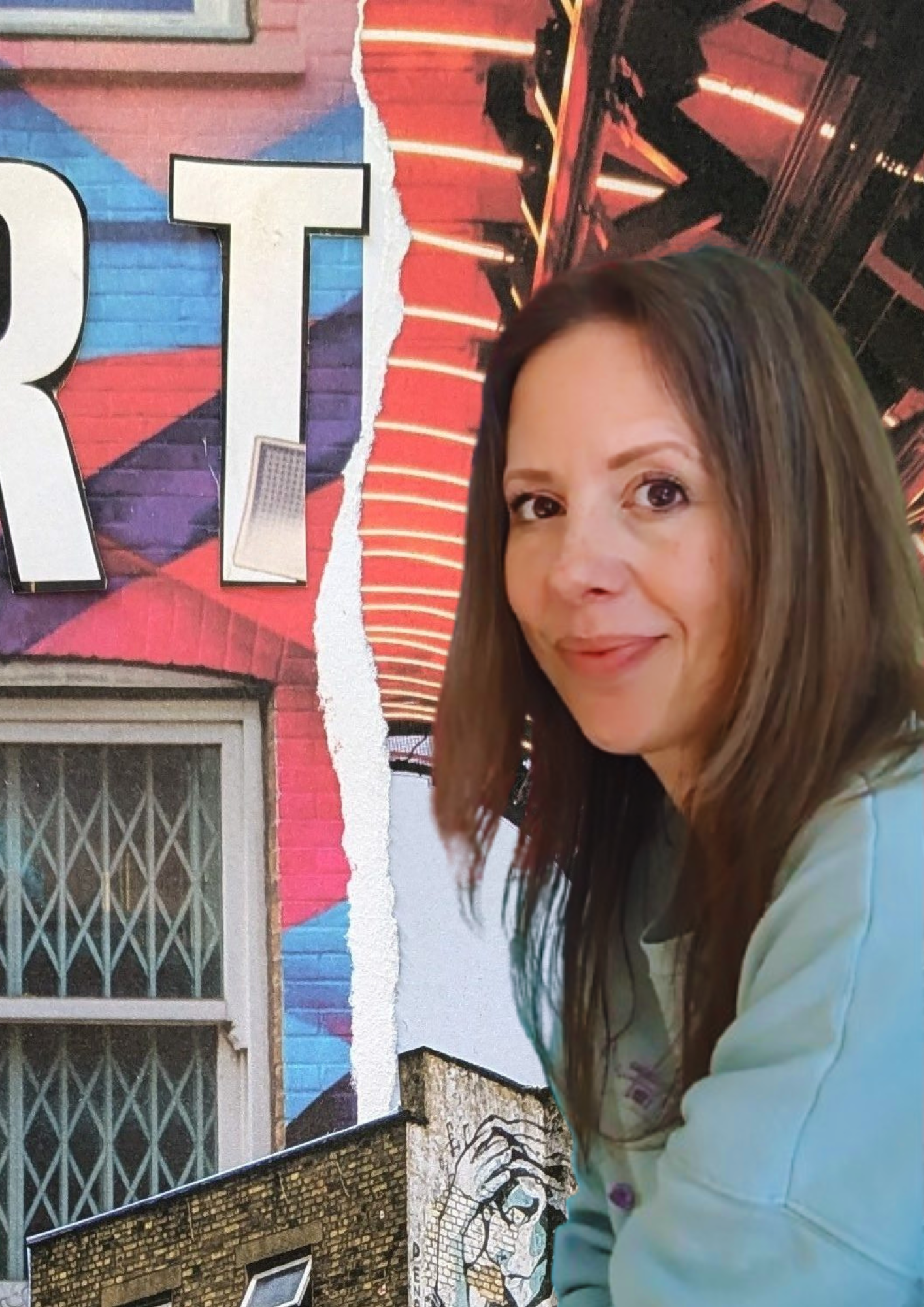
Holding Space Art Therapy was founded by Kirsty Gbasai, an artist, creative practitioner, and HCPC-registered Art Psychotherapist. Her journey into art therapy grew from many years of working in community arts, education, youth and arts for health – witnessing the powerful role of creativity in supporting health and emotional wellbeing. Wanting to offer a deeper, more structured form of support, Kirsty trained as an art therapist to bridge the gap between creative practice and psychological care.
Her practice is grounded in the belief that therapy doesn’t need to happen in clinical rooms to be effective. As a Top Floor partner at Manchester Museum, she offers one-to-one and group art therapy in a setting rooted in care, cultural connection, wellbeing, and social justice. This collaboration is part of a shared commitment to Culture, Health and Wellbeing – making emotional support more accessible, inclusive, and embedded in everyday life.
An approach grounded in relationship and creativity
Kirsty works from a relational, psychodynamic approach, with a strong emphasis on the therapeutic potential of art-making when words are hard to find. Her practice is person-centred, trauma-informed, and neuro-affirming. Sessions offer a space to reflect, explore, and process – whether you’re navigating anxiety, grief, chronic pain, burnout, or broader life transitions.
She continues to work with individuals and organisations, offering both one-to-one therapy and group sessions.
Why Manchester Museum matters as a therapeutic space
Manchester Museum is a civic space, a place of welcome, care, and connection. Its commitment to Culture, Health and Wellbeing, along with its values of belonging and social justice, makes it an ideal setting for therapeutic work. Visitors arrive not as patients, but as members of the public engaging with culture, history, and community. This openness helps reduce stigma and allows art therapy to unfold in a space already shaped by curiosity, reflection, and care.
Values
- Relational care – trust, presence, and consistency
- Accessible support – therapy in spaces people already feel connected to
- Support for those who care for others – including staff, volunteers, and parents
- Sustainable practice – slow work that makes room for depth
If you’re looking for therapy for yourself, or are an organisation interested in commissioned support, feel free to get in touch.
 Holding Space | Art Therapy